
Becoming a barista in Melbourne means developing practical coffee-making skills, learning to work efficiently in a café environment and building the confidence to look after customers well. The strongest starting point is hands-on practice: extracting espresso, milk texturing and café workflow, then apply those skills in a real hospitality setting.
Melbourne’s coffee culture sets a high standard, but everyone starts somewhere. Whether you are looking for your first café job, changing careers or refining skills you already have, this guide outlines the most useful path forward.
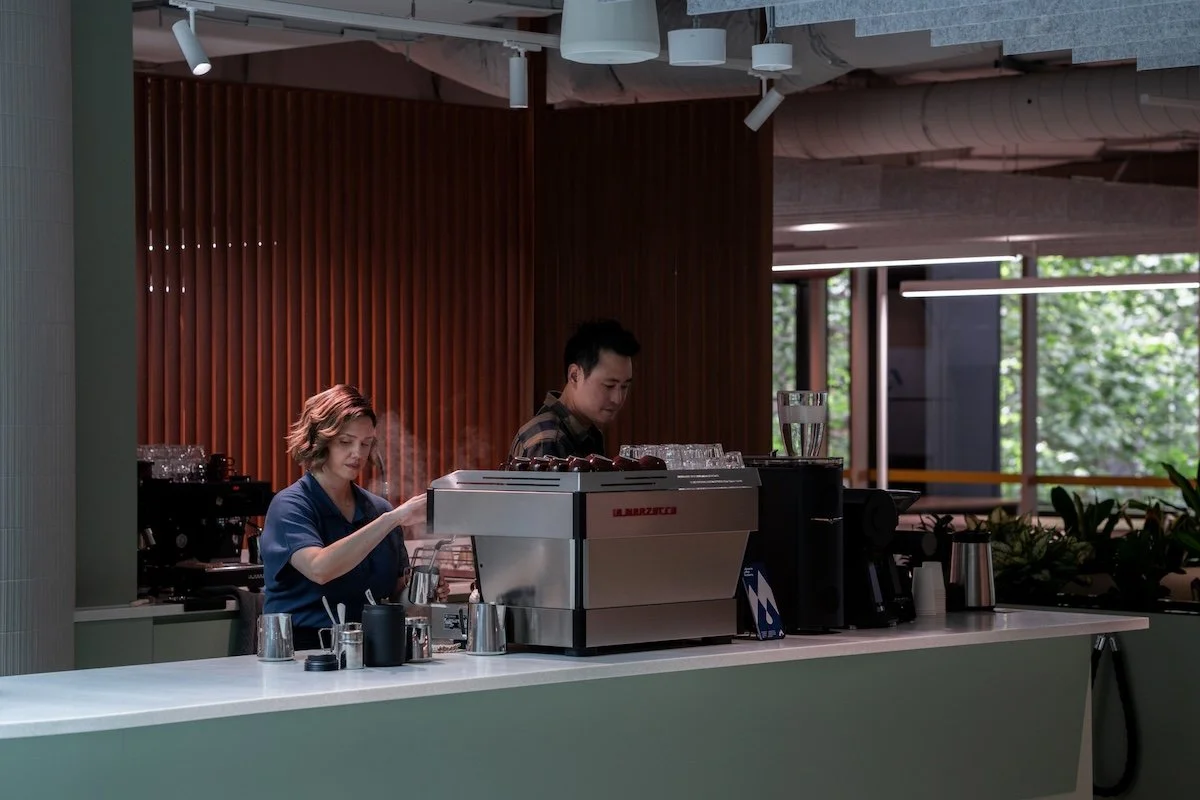
Great barista work combines coffee skill, pace and warm customer service.
What does a barista do?
A barista prepares espresso-based drinks and helps create a smooth, welcoming café experience. In a typical shift, that can involve:
Dialling in espresso and checking coffee quality
Grinding, dosing and extracting espresso
Texturing milk and pouring milk-based drinks
Keeping the coffee station clean, stocked and organised
Taking orders and communicating with customers and colleagues
Working efficiently during busy service periods
Coffee technique matters, but employers also value reliability, attention to detail and the ability to stay calm when the café is busy.
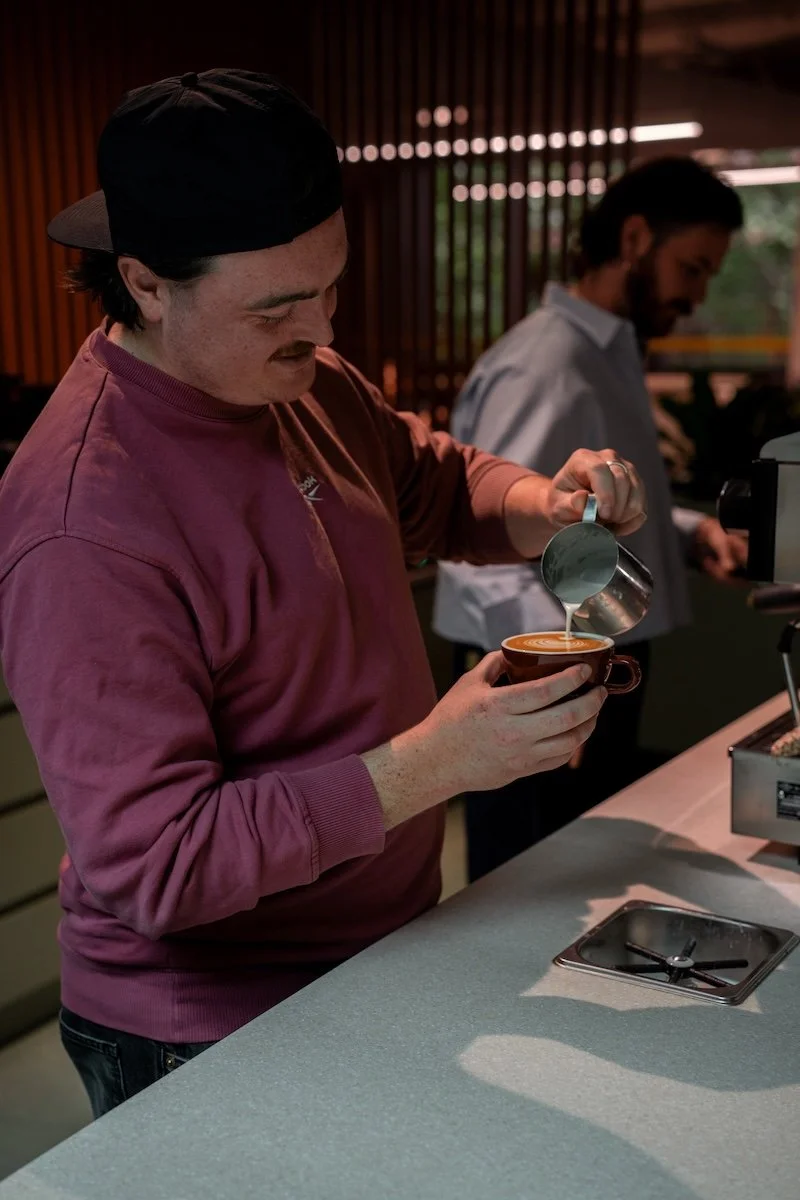
Repetition and feedback help turn individual techniques into a reliable workflow.
Do you need qualifications to become a barista in Melbourne?
There is no single qualification that every Melbourne café requires. Many employers hire entry-level staff and teach some skills on the job. However, practical training can help you arrive with more confidence and demonstrate that you understand the fundamentals.
A good training pathway should focus on the skills you will use at the machine: espresso preparation, milk texturing, drink consistency, workflow and customer service. It is especially useful if you have little café experience or want a structured way to improve before applying for work.
The essential skills every new barista should learn
1. Espresso fundamentals
Espresso is the foundation of most café menus. A new barista should understand how grind, dose, yield and extraction affect taste. You do not need to know everything on day one, but you should be able to follow a process, taste the result and make careful adjustments.
2. Milk texturing and latte art
Milk should be smooth, glossy and suited to the drink being made. Latte art is a useful outcome of well-textured milk, but the goal is first to create a balanced, enjoyable drink.
3. Consistency
A café needs drinks that taste good every time, not only when there is time to concentrate on one coffee. Build repeatable habits around your setup, cleaning, extraction and presentation.
4. Speed and workflow
Speed is not about rushing. It comes from being organised: keeping tools in the same place, preparing for the next order and communicating clearly with the team. As your technical skills become more automatic, your workflow becomes more efficient.
5. Hospitality
A professional barista notices people as well as coffee. Greeting customers, confirming an order, communicating wait times and handling a busy moment with care all contribute to the experience.
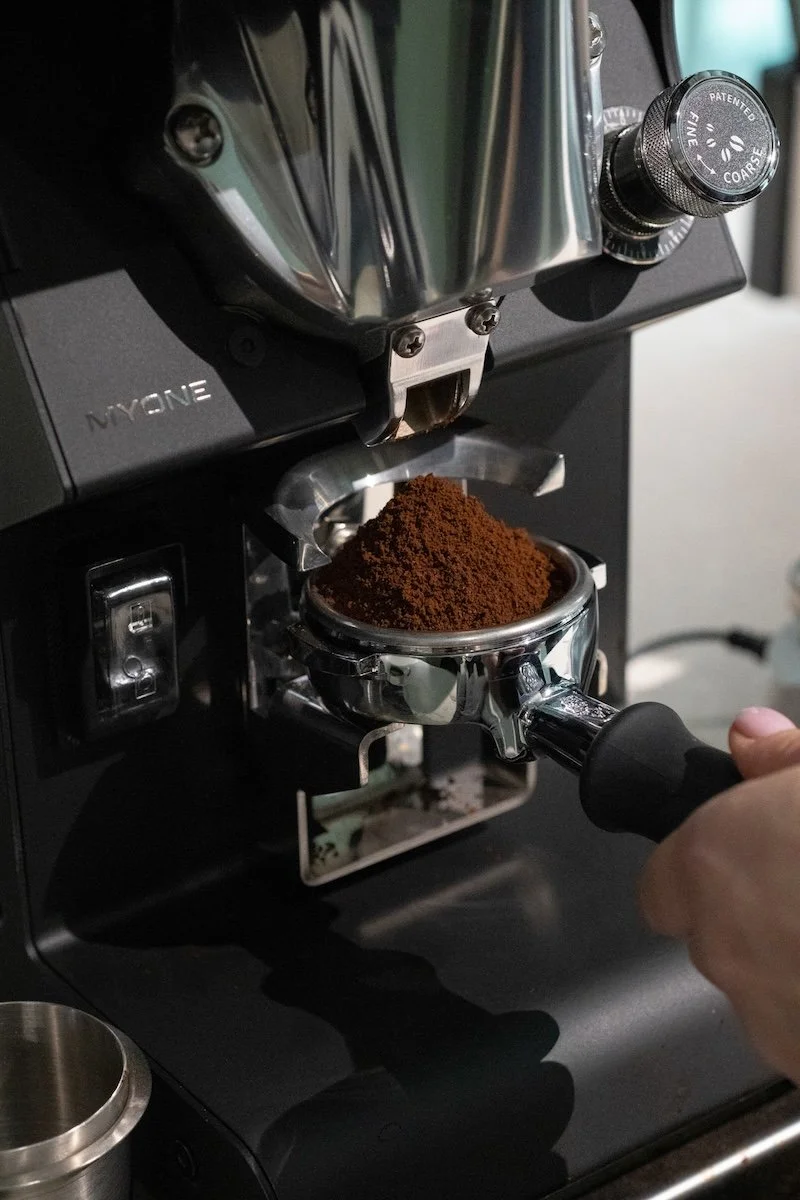
Consistent, repeatable espresso extraction is foundational to being a great barista.
A practical path to becoming a barista
Start with hands-on training
If you are new to coffee, a practical course can help you understand the machine, learn good habits and practise with feedback. Look for an environment where you can work with espresso equipment and develop your technique rather than only watching demonstrations.
Practise the core routine
The most valuable early practice is repetition. Work through a simple coffee routine until it becomes familiar:
Prepare the grinder and portafilter.
Dose, distribute and tamp consistently.
Extract and assess the espresso.
Texture milk for the drink.
Pour, present and clean down the station.
Reflect on what you would adjust next time.
Small improvements add up quickly when you repeat a process with purpose.
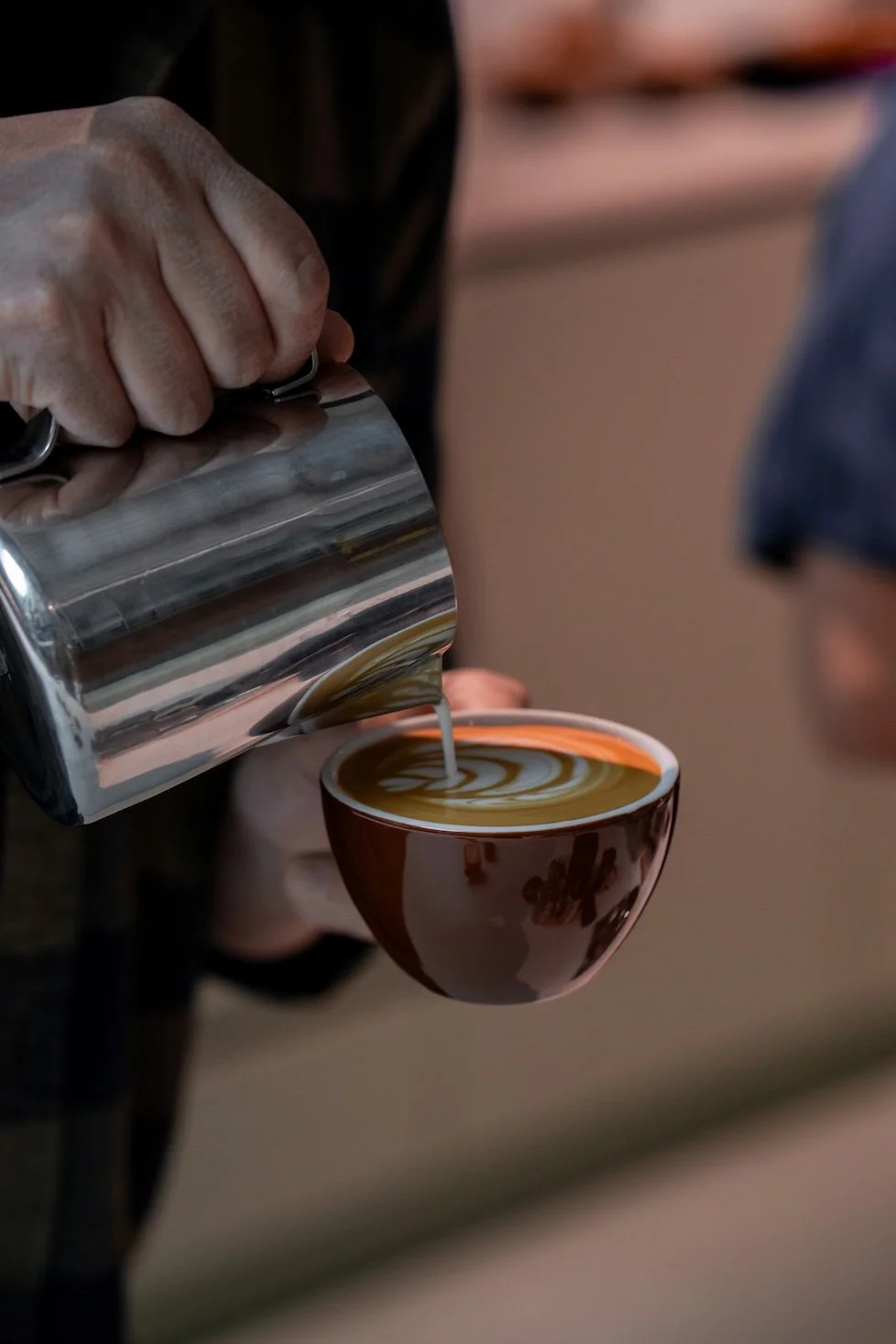
Consistent milk texture is the starting point for clean, controlled pours.
Build real café experience
Once you have the basics, look for opportunities to use them in service. Entry-level hospitality roles, café all-rounder shifts and support work can all help you understand pace, communication and the daily rhythm of a coffee bar.
When applying, be clear about what you can do and what you are still learning. A good attitude, willingness to practise and reliability can matter as much as a long list of skills.
Keep developing after your first role
Coffee is a craft with plenty to learn beyond the basics. As you gain experience, you may want to improve your speed, explore espresso calibration, refine your milk work or develop a deeper understanding of quality and service.
How to get your first barista job in Melbourne
For a first café role, focus on showing that you are ready to learn and contribute.
Prepare a short, honest résumé that includes:
Any coffee or hospitality training
Previous customer-service, retail or hospitality work
Availability, particularly early mornings or weekends if relevant
Your practical skills, such as espresso preparation or milk texturing
A brief note about your interest in coffee and hospitality
When approaching cafés, be respectful of busy periods. Visit at a quieter time, introduce yourself briefly and ask whether they accept résumés. If you are applying online, keep your message personal and specific to the venue.
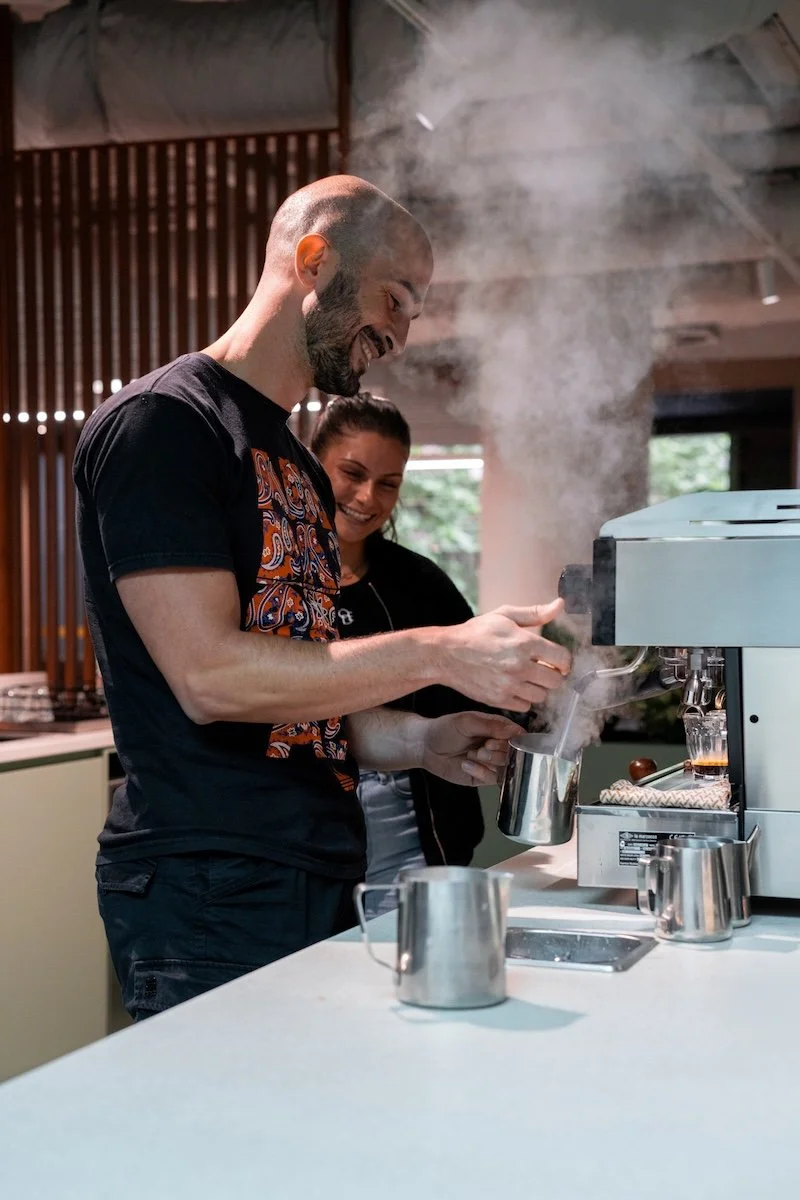
Working well in a team and understanding customer needs is the crucial for a professional barista.
What makes a good barista?
A good barista delivers quality coffee consistently while making customers and colleagues feel looked after. The most useful qualities are curiosity, care, calmness under pressure and a willingness to keep practising.
Technical confidence grows with experience. Professionalism comes from turning up prepared, taking feedback well and treating each drink as part of someone’s day.
Frequently asked questions
How long does it take to become a barista?
You can learn the basic mechanics of espresso and milk texturing quickly with practical guidance, but becoming consistent and comfortable in a busy café takes ongoing practice. The timeline depends on how often you work at the machine and the level of experience you want to reach.
Can I become a barista with no experience?
Yes. Many people begin with no café experience. Practical training, regular practice and an entry-level hospitality opportunity can help you build the foundations. Often cafes are advertising for baristas with 1-2 years of experience but that is not always possible, and good operators will give well trained entry level baristas a chance. Often the best cafes are the ones who understand that attitude and work ethic are more important than experience.
Is latte art necessary for a barista job?
Latte art can be valuable, particularly in Melbourne’s specialty-coffee scene, but it is not the only measure of a capable barista. Espresso quality, milk texture, workflow, cleanliness and service are equally important.
What should I learn first?
Start with espresso fundamentals, milk texturing, cleanliness and a repeatable workflow. Once those are reliable, focus on speed, presentation and more advanced coffee knowledge.
Start building your barista skills
The best way to become a barista is to combine practical learning with real repetition. Start with the fundamentals, practise deliberately and seek feedback as you build experience. That foundation will serve you whether your goal is a first café role or a long-term career in coffee.